Tag Archives: Texas

Peter Williams lectures on the historical reliability of the gospels

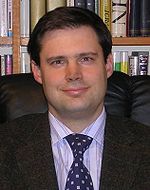
Peter J. Williams
Peter J. Williams

This is a lecture I found from British historian Dr. Peter J. Williams.

Here’s the main lecture: (54 minutes)

And here’s the Q&A: (9 minutes)

About Peter Williams:

Peter J. Williams is the Warden (CEO) of Tyndale House and a member of the Faculty of Divinity in the University of Cambridge. He received his MA, MPhil and PhD, in the study of ancient languages related to the Bible from Cambridge University. After his PhD, he was on staff in the Faculty of Divinity, Cambridge University (1997–1998), and thereafter taught Hebrew and Old Testament there as Affiliated Lecturer in Hebrew and Aramaic and as Research Fellow in Old Testament at Tyndale House, Cambridge (1998–2003). From 2003 to 2007 he was on the faculty of the University of Aberdeen, Scotland, where he became a Senior Lecturer in New Testament and Deputy Head of the School of Divinity, History and Philosophy. In July 2007 he became the youngest Warden in the history of Tyndale House. He also retains his position as an honorary Senior Lecturer in Biblical Studies at the University of Aberdeen.

Summary of the lecture:

  • What if the stories about Jesus are legendary?
  • were the gospels transmitted accurately?
  • were the gospels written in the same place as where the events happened?
  • do the gospel authors know the customs and locations where the events happened?
  • do the gospels use the right names for the time and place where the events took place?
  • do the gospels disambiguate people’s names depending on how common those names were?
  • how do the New Testament gospels compare to the later gnostic gospels?
  • how do the gospels refer to the main character? How non-Biblical sources refer to Jesus?
  • how does Jesus refer to himself in the gospels? do the later Christians refer to him that way?
  • how does Jesus teach? do later Christians teach the same way?
  • why didn’t Jesus say anything about early conflicts in the church (the Gentiles, church services)?
  • did the writers of the gospels know the places where the events took place?
  • how many places are named in the gospels? how about in the later gnostic gospels?
  • are the botanical details mentioned in the gospels accurate? how about the later gnostic gospels?

And here are the questions from the audience:

  • how what about the discrepancies in the resurrection narratives that Bart Ehrman is obsessed with?
  • what do you think of the new 2011 NIV translation (Peter is on the ESV translation committee)?
  • how did untrained, ordinary men produce complex, sophisticated documents like the gospels?
  • is oral tradition a strong enough bridge between the events and the writers who interviewed the eyewitnesses?
  • what does the name John mean?
  • why did the gospel writers wait so long before writing their gospels?
  • do you think that Matthew and Luke used a hypothetical source which historians call “Q”?
  • which gospel do critical historians trust the least and why?

I really enjoyed watching this lecture. He’s getting some of this material from Richard Bauckham’s awesome book “Jesus and the Eyewitnesses”, so if you aren’t familiar with it, you can get an idea of what’s in it. Peter Williams is a lot of fun to listen to – an excellent speaker.

You can read an interview with Peter Williams here on Between Two Worlds.

And you can listen to the Peter Williams vs Bart Ehrman debate. That link contains a link to the audio of the debate as well as my snarky summary. It’s very snarky.

And Apologetics 315 also posted Peter Williams’ assessment of Bart Ehrman’s “Misquoting Jesus”.

Obama administration retaliates against Texas by cutting funding for medical care

From Investors Business Daily.

Excerpt:

President Obama’s Department of Health and Human Services has withdrawn $30 million worth of funding from a Texas Medicaid program that provides health care services for low-income women.

It did so because Texas recently passed a law that said its Women’s Health Program could not disperse funds to abortion and contraception providers such as Planned Parenthood.

Health and Human Services Secretary Kathleen Sebelius personally traveled to Houston to make the announcement that the Obama administration would cut funding of the program and would no longer continue the waiver that Texas had previously been given to continue funding of the program temporarily.

Texas Attorney General Greg Abbott has issued an opinion declaring that federal law allows states to exclude abortion providers and their affiliated organizations from Medicaid. In a letter to Obama, Texas Gov. Perry accused the administration of trying to violate states’ rights “by mandating which health providers the state of Texas must use.”

WHP provides health services to 130,000 low-income women. Of the more than 1,000 certified WHP providers across the state, the Texas law excludes fewer than 100 Planned Parenthood providers. Yet the Obama administration is willing to cut off all the other providers and all the women who receive health care through them in pursuit of its ideological agenda.

Texas considers Planned Parenthood, which performs 300,000 abortions a year, a poor allocation of public funds intended to promote women’s health, noting they cannot treat breast cancer and do not have a single mammogram machine in the entire state of Texas. But if you want an abortion or contraceptives, Planned Parenthood provides one-stop shopping for that.

Nor does Planned Parenthood need public funds. As we’ve noted, when the Susan G. Komen for the Cure Foundation announced it was planning to stop giving money to Planned Parenthood, within hours some 6,000 donors pledged a total of $400,000. A family in Dallas offered $250,000, and New York’s Mayor Bloomberg promised to match that.

In other news, Sandra Fluke admitted that she had no idea that she could get birth control from Target for $9 a month.

Related posts on Planned Parenthood

Brian Auten interviews Peter J. Williams about New Testament reliability

I found this interview at Apologetics 315. Click through to get the MP3.

Details:

Today’s interview is with Peter J. Williams, Warden ofTyndale House, Cambridge. He talks about his work and background in biblical languages, the reliability of the Gospels, internal vs. external evidences, the genre of the Gospels, the authorship of the Gospels, the Gospels as eyewitness testimony (link to talk here), historical methods past vs. present, oral culture and literacy in the first century, the dating of the Gospels (years vs. generations), approaching apparent contradictions, correcting substandard approaches to defending the Gospels, looking at morally difficult subjects in the Old Testament, tips for answering moral objections, advice on doing apologetics, and more.

But I have even more Peter J. Williams stuff!

This is a lecture I found from Dr. Peter J. Williams. He’s giving the lecture in Texas! Isn’t that a hoot?

Here’s the main lecture: (54 minutes)

And here’s the Q&A: (9 minutes)

About Peter Williams:

Peter J. Williams is the Warden (CEO) of Tyndale House and a member of the Faculty of Divinity in the University of Cambridge. He received his MA, MPhil and PhD, in the study of ancient languages related to the Bible from Cambridge University. After his PhD, he was on staff in the Faculty of Divinity, Cambridge University (1997–1998), and thereafter taught Hebrew and Old Testament there as Affiliated Lecturer in Hebrew and Aramaic and as Research Fellow in Old Testament at Tyndale House, Cambridge (1998–2003). From 2003 to 2007 he was on the faculty of the University of Aberdeen, Scotland, where he became a Senior Lecturer in New Testament and Deputy Head of the School of Divinity, History and Philosophy. In July 2007 he became the youngest Warden in the history of Tyndale House. He also retains his position as an honorary Senior Lecturer in Biblical Studies at the University of Aberdeen.

Summary of the lecture:

  • What if the stories about Jesus are legendary?
  • were the gospels transmitted accurately?
  • were the gospels written in the same place as where the events happened?
  • do the gospel authors know the customs and locations where the events happened?
  • do the gospels use the right names for the time and place where the events took place?
  • do the gospels disambiguate people’s names depending on how common those names were?
  • how do the New Testament gospels compare to the later gnostic gospels?
  • how do the gospels refer to the main character? How non-Biblical sources refer to Jesus?
  • how does Jesus refer to himself in the gospels? do the later Christians refer to him that way?
  • how does Jesus teach? do later Christians teach the same way?
  • why didn’t Jesus say anything about early conflicts in the church (the Gentiles, church services)?
  • did the writers of the gospels know the places where the events took place?
  • how many places are named in the gospels? how about in the later gnostic gospels?
  • are the botanical details mentioned in the gospels accurate? how about the later gnostic gospels?

And here are the questions from the audience:

  • how what about the discrepancies in the resurrection narratives that Bart Ehrman is obsessed with?
  • what do you think of the new 2011 NIV translation (Peter is on the ESV translation committee)?
  • how did untrained, ordinary men produce complex, sophisticated documents like the gospels?
  • is oral tradition a strong enough bridge between the events and the writers who interviewed the eyewitnesses?
  • what does the name John mean?
  • why did the gospel writers wait so long before writing their gospels?
  • do you think that Matthew and Luke used a hypothetical source which historians call “Q”?
  • which gospel do critical historians trust the least and why?

I really enjoyed watching this lecture. He’s getting some of this material from Richard Bauckham’s awesome book “Jesus and the Eyewitnesses”, so if you aren’t familiar with it, you can get an idea of what’s in it. Peter Williams is a lot of fun to listen to – an excellent speaker. And this material was NEW TO ME. I like the way that this lecture is filled with little UK expressions like “mind the gap” and “Yah?”. He doesn’t say “if you like” as much as Justin Brierley, though. Just once I would like to have a discussion with Justin and have him say that, then I would say “no I don’t like that”. I think that would be funny, and I would love to see the expression on his face when I said that.

You can read an interview with Peter Williams here on Between Two Worlds.

And you can listen to the Peter Williams vs Bart Ehrman debate on Apologetics 315.