Tag Archives: Israel

New study: literacy more widespread around ancient Israel than previously thought

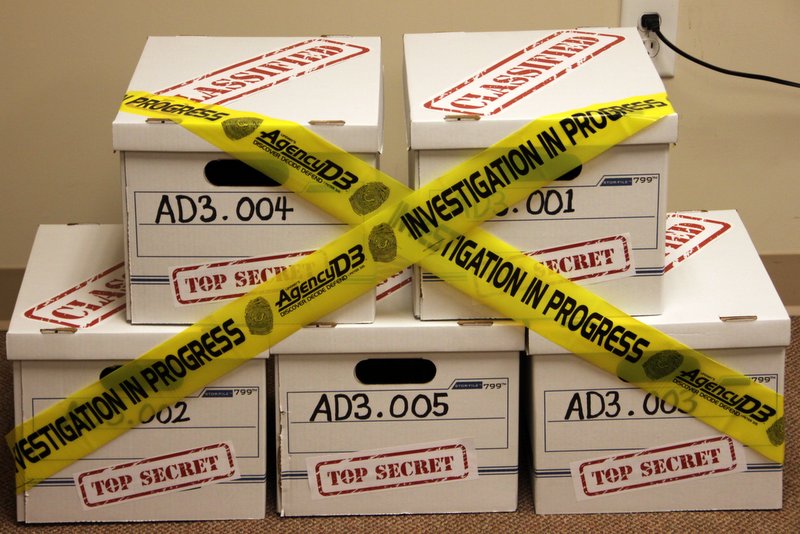
Investigation in progress

Some skeptics like to attack the traditional authorship of the gospels by arguing that the gospels couldn’t have been written by anyone close to Jesus, because they were all illiterate. The impression I get from the skeptics is that they think that illiteracy was widespread in and around ancient Israel.

But then, in the radically leftist New York Times, of all places, there is news about a new peer-reviewed study:

Eliashib, the quartermaster of the remote desert fortress, received his instructions in writing — notes inscribed in ink on pottery asking for provisions to be sent to forces in the ancient kingdom of Judah.

The requests for wine, flour and oil read like mundane, if ancient, shopping lists. But a new analysis of the handwriting suggests that literacy may have been far more widespread than previously known in the Holy Land around 600 B.C., toward the end of the First Temple period. The findings, according to the researchers from Tel Aviv University, could have some bearing on a century-old debate about when the main body of biblical texts was composed.

[…]The new study, published on Monday in the Proceedings of the National Academy of Sciences, combined archaeology, Jewish history and applied mathematics, and involved computerized image processing and the development of an algorithm to distinguish between the various authors issuing the commands.

Based on a statistical analysis of the results, and taking into account the content of the texts that were chosen for the sample, the researchers concluded that at least six different hands had written the 18 missives at around the same time. Even soldiers in the lower ranks of the Judahite army, it appears, could read and write.

[…]The study was based on a trove of about 100 letters inscribed in ink on pieces of pottery, known as ostracons, that were unearthed near the Dead Sea in an excavation of the Arad fort decades ago and dated from about 600 B.C. That was shortly before Nebuchadnezzar’s destruction of Jerusalem and the kingdom of Judah, and the exile of its elite to Babylon — and before many scholars believe the major part of the biblical texts, including the five books of Moses, also known as the Pentateuch, were written down in any cohesive form.

The Arad citadel was small, far-flung and on an active front, close to the border with the rival kingdom of Edom. The fort itself was only about half an acre in size, and probably would have accommodated about 30 soldiers. The wealth of texts found there, recording troop movements, provisions and other daily activities, were created within a short time, making them a valuable sample for looking at how many different hands wrote them.

[…]One of the longstanding arguments for why the main body of biblical literature was not written down in anything like its present form until after the destruction and exile of 586 B.C. is that before then there was not enough literacy or enough scribes to support such a huge undertaking.

But if the literacy rates in the Arad fortress were repeated across the kingdom of Judah, which had about 100,000 people, there would have been hundreds of literate people, the Tel Aviv research team suggests.

That could have provided the infrastructure for the composition of biblical works that constitute the basis of Judahite history and theology including early versions of the books of Deuteronomy to II Kings, according to the researchers.

I just heard a debate on the weekend in which atheist historian Bart Ehrman made the argument that around the time of Jesus, almost no one was literate. Therefore, it’s unlikely that anyone who was an eyewitness to Jesus’ would have been able to write anything down about it.

I think this evidence does have some bearing on that question, because it shows that literacy of at least Hebrew was more widespread in the area than previously thought. That means that the people around Jesus are more likely to be able to keep their own notes, and then pass those notes off to a writer of Greek. Instead of having stories being circulated for the 30-35 years between the death of Jesus and the writing of Mark (note: I think Mark was written much earlier than that), you would have written notes by the eyewitnesses that could then be translated into Greek.

But there’s more interesting stuff about Bart Ehrman’s charge of widespread illiteracy. Consider this post that I found on Catholic apologist Jimmy Akin’s blog, where he makes the case that Bart Ehrman is even wrong about his estimate of illiteracy. And when I say wrong, I mean it looks like Ehrman deliberately misrepresents a primary source that he quotes in order to make his point. Maybe that will be fixed in a future edition of his book, but it wasn’t fixed in the debate on Saturday – he used the same botched quote then.

New study: literacy more widespread around ancient Israel than previously thought

Investigation in progress

Some skeptics like to attack the traditional authorship of the gospels by arguing that the gospels couldn’t have been written by anyone close to Jesus, because they were all illiterate. The impression I get from the skeptics is that they think that illiteracy was widespread in and around ancient Israel.

But then, in the radically leftist New York Times, of all places, there is news about a new peer-reviewed study:

Eliashib, the quartermaster of the remote desert fortress, received his instructions in writing — notes inscribed in ink on pottery asking for provisions to be sent to forces in the ancient kingdom of Judah.

The requests for wine, flour and oil read like mundane, if ancient, shopping lists. But a new analysis of the handwriting suggests that literacy may have been far more widespread than previously known in the Holy Land around 600 B.C., toward the end of the First Temple period. The findings, according to the researchers from Tel Aviv University, could have some bearing on a century-old debate about when the main body of biblical texts was composed.

[…]The new study, published on Monday in the Proceedings of the National Academy of Sciences, combined archaeology, Jewish history and applied mathematics, and involved computerized image processing and the development of an algorithm to distinguish between the various authors issuing the commands.

Based on a statistical analysis of the results, and taking into account the content of the texts that were chosen for the sample, the researchers concluded that at least six different hands had written the 18 missives at around the same time. Even soldiers in the lower ranks of the Judahite army, it appears, could read and write.

[…]The study was based on a trove of about 100 letters inscribed in ink on pieces of pottery, known as ostracons, that were unearthed near the Dead Sea in an excavation of the Arad fort decades ago and dated from about 600 B.C. That was shortly before Nebuchadnezzar’s destruction of Jerusalem and the kingdom of Judah, and the exile of its elite to Babylon — and before many scholars believe the major part of the biblical texts, including the five books of Moses, also known as the Pentateuch, were written down in any cohesive form.

The Arad citadel was small, far-flung and on an active front, close to the border with the rival kingdom of Edom. The fort itself was only about half an acre in size, and probably would have accommodated about 30 soldiers. The wealth of texts found there, recording troop movements, provisions and other daily activities, were created within a short time, making them a valuable sample for looking at how many different hands wrote them.

[…]One of the longstanding arguments for why the main body of biblical literature was not written down in anything like its present form until after the destruction and exile of 586 B.C. is that before then there was not enough literacy or enough scribes to support such a huge undertaking.

But if the literacy rates in the Arad fortress were repeated across the kingdom of Judah, which had about 100,000 people, there would have been hundreds of literate people, the Tel Aviv research team suggests.

That could have provided the infrastructure for the composition of biblical works that constitute the basis of Judahite history and theology including early versions of the books of Deuteronomy to II Kings, according to the researchers.

I just heard a debate on the weekend in which atheist historian Bart Ehrman made the argument that around the time of Jesus, almost no one was literate. Therefore, it’s unlikely that anyone who was an eyewitness to Jesus’ would have been able to write anything down about it.

I think this evidence does have some bearing on that question, because it shows that literacy of at least Hebrew was more widespread in the area than previously thought. That means that the people around Jesus are more likely to be able to keep their own notes, and then pass those notes off to a writer of Greek. Instead of having stories being circulated for the 30-35 years between the death of Jesus and the writing of Mark (note: I think Mark was written much earlier than that), you would have written notes by the eyewitnesses that could then be translated into Greek.

But there’s more interesting stuff about Bart Ehrman’s charge of widespread illiteracy. Consider this post that I found on Catholic apologist Jimmy Akin’s blog, where he makes the case that Bart Ehrman is even wrong about his estimate of illiteracy. And when I say wrong, I mean it looks like Ehrman deliberately misrepresents a primary source that he quotes in order to make his point. Maybe that will be fixed in a future edition of his book, but it wasn’t fixed in the debate on Saturday – he used the same botched quote then.

Iran side deal allows Iran to inspect its own nuclear weapons site

He's better at golf than foreign policy
He’s way better at golf than foreign policy, and he sucks at golf

Everything is awesome!

The normally-leftist Associated Press explains how awesome everything is:

Iran will be allowed to use its own inspectors to investigate a site it has been accused of using to develop nuclear arms, operating under a secret agreement with the U.N. agency that normally carries out such work, according to a document seen by The Associated Press.

[…]The agreement in question diverges from normal procedures by allowing Tehran to employ its own experts and equipment in the search for evidence of activities it has consistently denied — trying to develop nuclear weapons.

[…]The Parchin agreement was worked out between the IAEA and Iran. The United States and the five other world powers were not party to it but were briefed by the IAEA and endorsed it as part of the larger package.

Everything is fine, stop worrying. Obama and Kerry and Clinton think that there is nothing wrong with this side deal. We can trust Iran to inspect themselves, it’s not like they’ve cheated on any agreements in the past. Oh wait, they have.

The Wall Street Journal points out:

Secretary of State John Kerry has said he hasn’t read the side deal, though his negotiating deputy Wendy Sherman told MSNBC that she “saw the pieces of paper” but couldn’t keep them. IAEA Director General Yukiya Amano has told Members of the U.S. Congress that he’s bound by secrecy and can’t show them the side deals.

That secrecy should be unacceptable to Congress—all the more so after the AP dispatch. The news service says it has seen a document labelled “separate arrangement II.” The document says Iran will provide the IAEA with photos and locations that the IAEA says are linked to Iran’s weapons work, “taking into account military concerns.”

In other words, the country that lied for years about its nuclear weapons program will now be trusted to come clean about those lies. And trusted to such a degree that it can limit its self-inspections so they don’t raise “military concerns” in Iran.

Foreign policy expert Charles Krauthammer is not pleased:

But let’s just trust Iran again, because Obama needs a legacy. What are you, a racist? You better shut up before the IRS audits you.