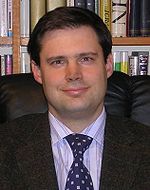
I see that Brian Auten of Apologetics 315 is posting a lot of Tim McGrew material on his channel. Timothy J. McGrew (University of Scranton BA Philosophy 1988; Vanderbilt University PhD Philosophy 1992) is a Professor of Philosophy at Western Michigan University.
Here are a couple of Dr. McGrew’s videos – with slides! – on alleged errors in the gospels.
Alleged errors in Mark and Matthew:
n this lecture, entitled Alleged Historical Errors in the Gospels, Dr. Timothy McGrew critiques seven of the strongest objections to the historical reliability of the Gospels of Mark and Matthew. This is about 55 minutes of content followed by fifteen minutes of Q&A.
In this lecture, entitled Alleged Historical Errors in the Gospels, Dr. Timothy McGrew critiques the strongest objections to the historical reliability of the Gospels of Luke & John. This is about 55 minutes of content followed by thirty minutes of Q&A.
Dr. Timothy McGrew is Professor of Philosophy at Western Michigan University. He specializes in theory of knowledge, logic, probability theory, and the history and philosophy of science, and he has published in numerous journals including Mind, The Monist, Analysis, British Journal for the Philosophy of Science, and Philosophia Christi. His most recent publications include the article on “Evidence” in The Routledge Companion to Epistemology (forthcoming), a co-authored anthology in The Philosophy of Science (Blackwell, 2009), and a paper (with Lydia McGrew) on the the argument from miracles in The Blackwell Companion to Natural Theology (Blackwell, 2009).
His wife Lydia also has a doctorate, and she writes about Christianity, apologetics and culture at “What’s Wrong With the World” blog. She had some interesting comments about the whole John Piper cafuffle last week, that set off a small firestorm when I posted it on my Facebook page. It was a must-read!
Peter J. Williams is the Warden (CEO) of Tyndale House and a member of the Faculty of Divinity in the University of Cambridge. He received his MA, MPhil and PhD, in the study of ancient languages related to the Bible from Cambridge University. After his PhD, he was on staff in the Faculty of Divinity, Cambridge University (1997–1998), and thereafter taught Hebrew and Old Testament there as Affiliated Lecturer in Hebrew and Aramaic and as Research Fellow in Old Testament at Tyndale House, Cambridge (1998–2003). From 2003 to 2007 he was on the faculty of the University of Aberdeen, Scotland, where he became a Senior Lecturer in New Testament and Deputy Head of the School of Divinity, History and Philosophy. In July 2007 he became the youngest Warden in the history of Tyndale House. He also retains his position as an honorary Senior Lecturer in Biblical Studies at the University of Aberdeen.
Summary of the lecture:
What if the stories about Jesus are legendary?
were the gospels transmitted accurately?
were the gospels written in the same place as where the events happened?
do the gospel authors know the customs and locations where the events happened?
do the gospels use the right names for the time and place where the events took place?
do the gospels disambiguate people’s names depending on how common those names were?
how do the New Testament gospels compare to the later gnostic gospels?
how do the gospels refer to the main character? How non-Biblical sources refer to Jesus?
how does Jesus refer to himself in the gospels? do the later Christians refer to him that way?
how does Jesus teach? do later Christians teach the same way?
why didn’t Jesus say anything about early conflicts in the church (the Gentiles, church services)?
did the writers of the gospels know the places where the events took place?
how many places are named in the gospels? how about in the later gnostic gospels?
are the botanical details mentioned in the gospels accurate? how about the later gnostic gospels?
And here are the questions from the audience:
how what about the discrepancies in the resurrection narratives that Bart Ehrman is obsessed with?
what do you think of the new 2011 NIV translation (Peter is on the ESV translation committee)?
how did untrained, ordinary men produce complex, sophisticated documents like the gospels?
is oral tradition a strong enough bridge between the events and the writers who interviewed the eyewitnesses?
what does the name John mean?
why did the gospel writers wait so long before writing their gospels?
do you think that Matthew and Luke used a hypothetical source which historians call “Q”?
which gospel do critical historians trust the least and why?
I really enjoyed watching this lecture. He’s getting some of this material from Richard Bauckham’s awesome book “Jesus and the Eyewitnesses”, so if you aren’t familiar with it, you can get an idea of what’s in it. Peter Williams is a lot of fun to listen to – an excellent speaker.
And you can listen to the Peter Williams vs Bart Ehrman debate. That link contains a link to the audio of the debate as well as my snarky summary. It’s very snarky.
I found this interview at Apologetics 315. Click through to get the MP3.
Details:
Today’s interview is with Peter J. Williams, Warden ofTyndale House, Cambridge. He talks about his work and background in biblical languages, the reliability of the Gospels, internal vs. external evidences, the genre of the Gospels, the authorship of the Gospels, the Gospels as eyewitness testimony (link to talk here), historical methods past vs. present, oral culture and literacy in the first century, the dating of the Gospels (years vs. generations), approaching apparent contradictions, correcting substandard approaches to defending the Gospels, looking at morally difficult subjects in the Old Testament, tips for answering moral objections, advice on doing apologetics, and more.
But I have even more Peter J. Williams stuff!
This is a lecture I found from Dr. Peter J. Williams. He’s giving the lecture in Texas! Isn’t that a hoot?
Peter J. Williams is the Warden (CEO) of Tyndale House and a member of the Faculty of Divinity in the University of Cambridge. He received his MA, MPhil and PhD, in the study of ancient languages related to the Bible from Cambridge University. After his PhD, he was on staff in the Faculty of Divinity, Cambridge University (1997–1998), and thereafter taught Hebrew and Old Testament there as Affiliated Lecturer in Hebrew and Aramaic and as Research Fellow in Old Testament at Tyndale House, Cambridge (1998–2003). From 2003 to 2007 he was on the faculty of the University of Aberdeen, Scotland, where he became a Senior Lecturer in New Testament and Deputy Head of the School of Divinity, History and Philosophy. In July 2007 he became the youngest Warden in the history of Tyndale House. He also retains his position as an honorary Senior Lecturer in Biblical Studies at the University of Aberdeen.
Summary of the lecture:
What if the stories about Jesus are legendary?
were the gospels transmitted accurately?
were the gospels written in the same place as where the events happened?
do the gospel authors know the customs and locations where the events happened?
do the gospels use the right names for the time and place where the events took place?
do the gospels disambiguate people’s names depending on how common those names were?
how do the New Testament gospels compare to the later gnostic gospels?
how do the gospels refer to the main character? How non-Biblical sources refer to Jesus?
how does Jesus refer to himself in the gospels? do the later Christians refer to him that way?
how does Jesus teach? do later Christians teach the same way?
why didn’t Jesus say anything about early conflicts in the church (the Gentiles, church services)?
did the writers of the gospels know the places where the events took place?
how many places are named in the gospels? how about in the later gnostic gospels?
are the botanical details mentioned in the gospels accurate? how about the later gnostic gospels?
And here are the questions from the audience:
how what about the discrepancies in the resurrection narratives that Bart Ehrman is obsessed with?
what do you think of the new 2011 NIV translation (Peter is on the ESV translation committee)?
how did untrained, ordinary men produce complex, sophisticated documents like the gospels?
is oral tradition a strong enough bridge between the events and the writers who interviewed the eyewitnesses?
what does the name John mean?
why did the gospel writers wait so long before writing their gospels?
do you think that Matthew and Luke used a hypothetical source which historians call “Q”?
which gospel do critical historians trust the least and why?
I really enjoyed watching this lecture. He’s getting some of this material from Richard Bauckham’s awesome book “Jesus and the Eyewitnesses”, so if you aren’t familiar with it, you can get an idea of what’s in it. Peter Williams is a lot of fun to listen to – an excellent speaker. And this material was NEW TO ME. I like the way that this lecture is filled with little UK expressions like “mind the gap” and “Yah?”. He doesn’t say “if you like” as much as Justin Brierley, though. Just once I would like to have a discussion with Justin and have him say that, then I would say “no I don’t like that”. I think that would be funny, and I would love to see the expression on his face when I said that.

 WINTERY KNIGHT